A multi-stakeholder workshop at Chandigarh Press Club highlights the urgent need to protect gig workers and farmers from rising temperatures.
CHANDIGARH — Chandigarh recently hosted a critical workshop titled “Heatwaves in Punjab: Science, Health, and Social Awareness” at the local Press Club. Clean Air Punjab and the India Meteorological Department (IMD) collaborated to organize this timely event. Consequently, experts and activists gathered to address the escalating dangers of extreme heat.
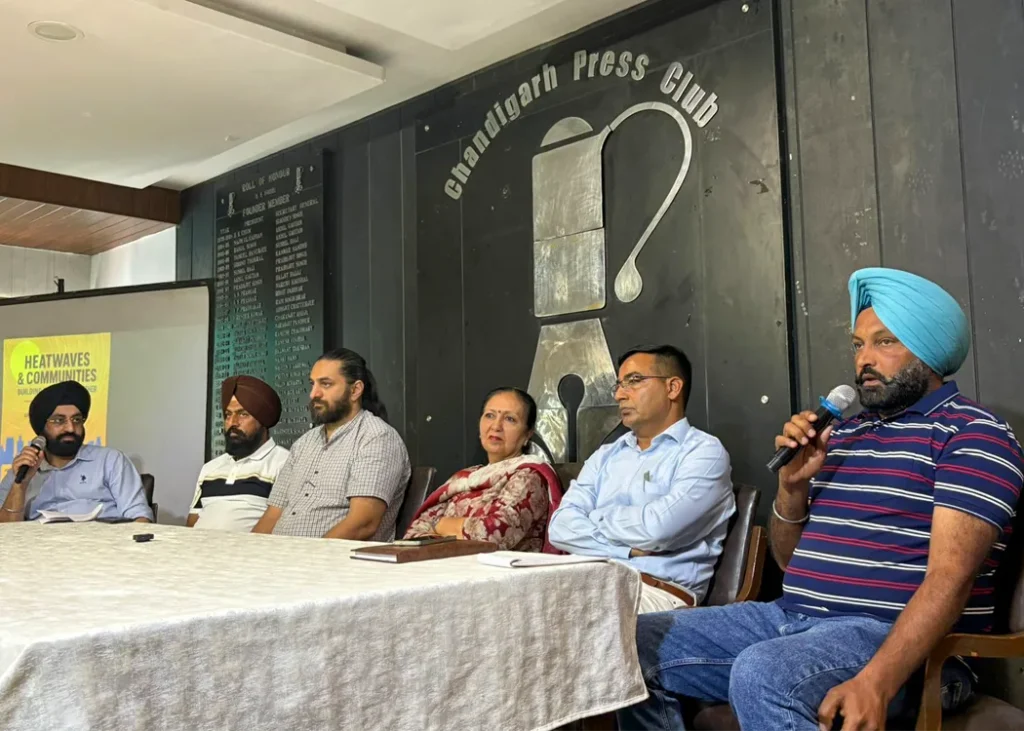
Sanam Sutirath Wazir, Director of Clean Air Punjab, opened the discussion with a powerful message. She stated that climate strategies must focus on the most vulnerable communities first. For instance, farmers and gig workers deal with extreme heat every single day. Therefore, simple awareness is no longer sufficient to protect them.
“Systems for care and relief must be established at the local level,” Wazir emphasized. “These systems must incorporate cooling spaces and community support mechanisms to help those on the front lines.”
Meanwhile, IMD scientist Shivinder Thakur highlighted the importance of scientific forecasting. He noted that heatwave patterns are changing rapidly across the region. Therefore, authorities must disseminate timely warnings to the public to prevent casualties. Furthermore, agriculture faces a significant threat from these rising temperatures.
Dr. Prabhjyot Kaur from Punjab Agricultural University explained that heat damages soil quality and crop yields. Consequently, local farmers shared their personal struggles with maintaining livelihoods under a scorching sun. In addition, healthcare experts like Dr. A.K. Mandal warned of a surge in heat-related illnesses. These cases are currently placing immense pressure on local medical services.
The workshop also highlighted the plight of the unorganized sector. Tech Chand, a Chandigarh gig worker, shared a chilling reality of his daily routine. He explained that outdoor laborers lack basic amenities like shade and accessible drinking water.
“For workers like me, the heat is not merely an inconvenience; it can become life-threatening,” Tech Chand remarked. “We are often compelled to work under the sun for long hours without any relief.”
Ultimately, the participants reached a clear consensus. They suggested that public buildings and religious sites should serve as temporary cooling shelters during peak summer. Combatting heatwaves in Punjab requires a strong synergy between science, policy, and community action. This collective effort will ensure the safety of the state’s most vulnerable citizens.